Flood insurance on the Maine coast: who needs it and what it costs
Homeowners policies exclude flood. After recent winter storms, more Maine families are asking whether a separate policy is worth it. Here is how to decide.
By Katherine Oduya, Claims advocate
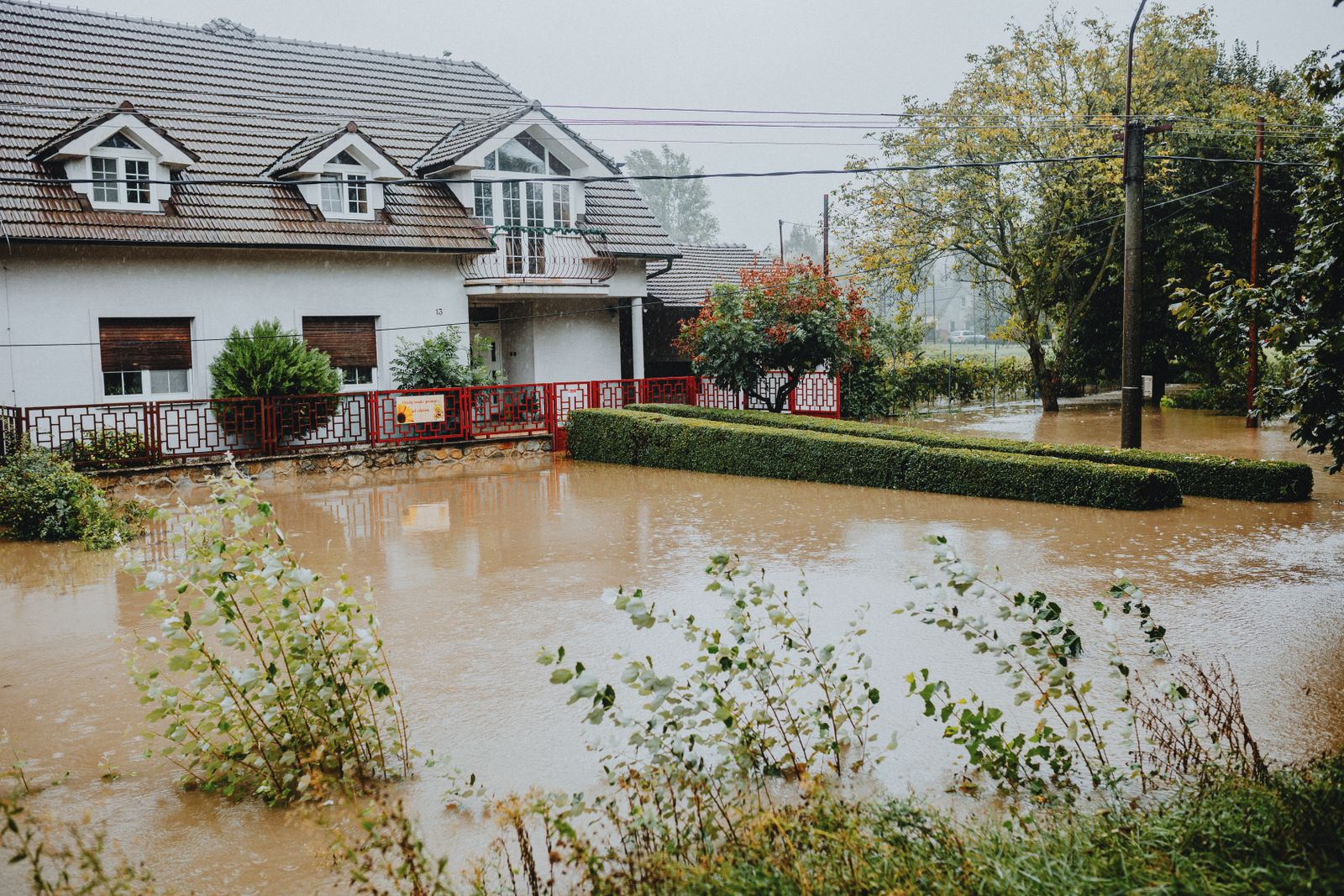
The January storms of 2024 changed how many Maine homeowners think about flood. Wharves washed away, fish houses floated off their pilings and water ran through streets that had never flooded in living memory. In the months since, one question has come up more than any other in our office: do I need flood insurance?
The honest answer depends on where your home sits, how it is built and what you could afford to lose. This guide walks through how flood coverage works so you can make an informed decision.
Why your homeowners policy does not cover flood
Standard homeowners policies exclude flood, defined broadly as rising water from the ocean, rivers, streams or heavy rain that overwhelms the ground. Storm surge from a nor'easter is flood. So is a brook that jumps its banks after a spring thaw. Water that comes through a damaged roof during the same storm is usually covered by homeowners, but water that comes in at ground level is not.
That distinction surprises people after a storm, which is why we raise it with every coastal and riverfront client.
Two ways to buy flood insurance
The National Flood Insurance Program
The NFIP, managed by FEMA, offers building coverage up to $250,000 and contents coverage up to $100,000 for homes. Policies generally have a 30-day waiting period before coverage starts, so buying after a storm is forecast is too late. NFIP pricing now uses a method called Risk Rating 2.0, which considers distance to water, elevation, rebuilding cost and the type of flooding likely at your address.
Private flood insurance
Private carriers can offer higher limits, shorter waiting periods and coverage for items the NFIP limits, such as finished basements or additional living expenses. For some homes, private flood is less expensive than the NFIP. For others, especially in high-risk zones, it may not be available at all. We quote both.
Who should seriously consider it
- Homes in FEMA special flood hazard areas, where lenders typically require coverage
- Waterfront and near-waterfront homes along Casco Bay, the Saco River and the Royal River
- Homes near marshes, such as parts of Scarborough and Saco
- Properties with finished lower levels or mechanical systems in the basement
- Anyone who could not comfortably pay to rebuild after a flood
Roughly a quarter of flood claims nationally come from properties outside high-risk zones. Lower-risk homes often qualify for very affordable preferred rates.
Federal disaster assistance is usually a loan that must be repaid, not a grant. Flood insurance pays claims whether or not a disaster is declared.
What flood insurance costs in southern Maine
Premiums vary widely. As sample figures only, a home outside mapped flood zones may pay a few hundred dollars a year for building and contents coverage. A waterfront home in a high-risk zone can pay several thousand. Elevation certificates, flood vents, elevated mechanical systems and higher deductibles can all reduce the price.
Steps that lower your flood risk and premium
Get an elevation certificate
A licensed surveyor documents how high your lowest floor sits relative to expected flood levels. For some homes, this lowers the premium significantly.
Move mechanicals up
Raising furnaces, water heaters and electrical panels above flood level reduces both damage and cost.
Install flood vents
Properly engineered openings in crawlspaces and foundations let water flow through rather than pushing against walls.
What to do next
Start by checking your address on the FEMA flood map, then call us. We will look at your map zone, your home's construction and your current homeowners policy, and quote both NFIP and private options side by side. Remember the 30-day waiting period: the best time to buy flood insurance is on a calm, dry day.